Showing posts with label fullyalive. Show all posts
Showing posts with label fullyalive. Show all posts
5/07/2014
Count with me pastors


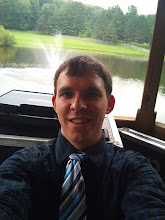 Thank you for visiting. My name is Alex Dolin. I am a Christian Life Coach, a Professor of Biblical Studies, a future professionally licensed counselor and an ordained minister.
I help people set realistically higher expectations, achieve more results and a better lifestyle. I offer many approaches to this, a few being:
1.) Professional Coaching,
2.) Pastoral Counseling,
3) Blogging,
4.) Public Speaking, and
5.) Preaching at scheduled events. Find me at AlexanderDolin.com
Thank you for visiting. My name is Alex Dolin. I am a Christian Life Coach, a Professor of Biblical Studies, a future professionally licensed counselor and an ordained minister.
I help people set realistically higher expectations, achieve more results and a better lifestyle. I offer many approaches to this, a few being:
1.) Professional Coaching,
2.) Pastoral Counseling,
3) Blogging,
4.) Public Speaking, and
5.) Preaching at scheduled events. Find me at AlexanderDolin.com
4/30/2014
Top 10 Top 10s
10 Ways To Make Change Less Scary and More Possible Found on dumblittleman.com
Top 10 Reasons to Exercise Regularly (Besides Losing Weight) Found on lifehacker.com
10 Remarkable Ways Meditation Helps Your Mind Found on spring.org.uk
10 wise choices to skyrocket your happiness Found on thechangeblog.com
10 Magical Effects Music Has On the Mind Found on spring.org.uk
10 tens you can do to become happier, scientifically proven Found on lifehacker.com
10 Ways to reduce stress at work Found on dumblittleman.com
10 Ways To Be Happier at Work Found on spring.org.uk
Sleep Deprivation: The 10 Most Profound Psychological Effects Found on spring.org.uk
10 one-minute time hacks that will make you more productive Found on lifehack.org
Bonus:
10 Ways Journaling Can Improve Your Life Found on lifehack.org
Top 10 Ways to Trick Your Brain Into Doing What You Want Found on lifehacker.com
10 Uncommon, Alternative Relaxation Techniques to Reduce Stress by Alex Dolin Found on noomii.com
Thank you for visiting. My name is Alex Dolin. I am a Christian Life Coach, a Professor of Biblical Studies, a future professionally licensed counselor and an ordained minister.
I help people set realistically higher expectations, achieve more results and a better lifestyle. I offer many approaches to this, a few being:
1.) Professional Coaching,
2.) Pastoral Counseling,
3) Blogging,
4.) Public Speaking, and
5.) Preaching at scheduled events. Find me at AlexanderDolin.com
4/25/2014
Speaking at Demand Success
.jpg) At Vocus Marketing #conference #Demand14 (Demand Success 2014) I will be presenting "Ten Scientifically-proven Ways to Manage Stress as a Business Owner" at the#Ignite portion of the conference.
At Vocus Marketing #conference #Demand14 (Demand Success 2014) I will be presenting "Ten Scientifically-proven Ways to Manage Stress as a Business Owner" at the#Ignite portion of the conference.The Conference is June 5th and 6th in Washington D.C. Learn more:
http://www.vocus.com/conference/whats-new/
 Thank you for visiting. My name is Alex Dolin. I am a Christian Life Coach, a Professor of Biblical Studies, a future professionally licensed counselor and an ordained minister.
I help people set realistically higher expectations, achieve more results and a better lifestyle. I offer many approaches to this, a few being:
1.) Professional Coaching,
2.) Pastoral Counseling,
3) Blogging,
4.) Public Speaking, and
5.) Preaching at scheduled events. Find me at AlexanderDolin.com
Thank you for visiting. My name is Alex Dolin. I am a Christian Life Coach, a Professor of Biblical Studies, a future professionally licensed counselor and an ordained minister.
I help people set realistically higher expectations, achieve more results and a better lifestyle. I offer many approaches to this, a few being:
1.) Professional Coaching,
2.) Pastoral Counseling,
3) Blogging,
4.) Public Speaking, and
5.) Preaching at scheduled events. Find me at AlexanderDolin.com
3/19/2014
Links to Children's Health
Five year-olds who watch TV for three or more hours a day more likely to be antisocial: But the risk of this behaviour is very small by Science Daily
Frequent breaks from sedentary behavior makes kids healthier by Science Daily
Electronic media associated with poorer well-being in children by Science Daily
Thank you for visiting. My name is Alex Dolin. I am a Christian Life Coach, a Professor of Biblical Studies, a future professionally licensed counselor and an ordained minister.
I help people set realistically higher expectations, achieve more results and a better lifestyle. I offer many approaches to this, a few being:
1.) Professional Coaching,
2.) Pastoral Counseling,
3) Blogging,
4.) Public Speaking, and
5.) Preaching at scheduled events. Find me at AlexanderDolin.com
3/12/2014
Church Leader Articles
Why Your Church Staff Should Be It’s Own Small Group by ChurchJobs.TV
How to Deal With Frustrated Church Employees by ChurchJobs.TV
9 Reasons Why Church Leaders Should Read the Daily News by Thom Rainer
Thank you for visiting. My name is Alex Dolin. I am a Christian Life Coach, a Professor of Biblical Studies, a future professionally licensed counselor and an ordained minister.
I help people set realistically higher expectations, achieve more results and a better lifestyle. I offer many approaches to this, a few being:
1.) Professional Coaching,
2.) Pastoral Counseling,
3) Blogging,
4.) Public Speaking, and
5.) Preaching at scheduled events. Find me at AlexanderDolin.com
2/17/2014
Testimonial Monday
I was struggling with time management, stress and achieving major life goals. Alex helped me by teaching me tools and applications on how to deal with stress, now as a result I have been able to focus on priorities, what's really important and how to deal with stress!
As an extremely busy person I especially love the fact That we don't have to talk or hang out everyday but when we do get together we can pick up right where we left off.
-Nate T., Central Ohio
As an extremely busy person I especially love the fact That we don't have to talk or hang out everyday but when we do get together we can pick up right where we left off.
-Nate T., Central Ohio
Thank you for visiting. My name is Alex Dolin. I am a Christian Life Coach, a Professor of Biblical Studies, a future professionally licensed counselor and an ordained minister.
I help people set realistically higher expectations, achieve more results and a better lifestyle. I offer many approaches to this, a few being:
1.) Professional Coaching,
2.) Pastoral Counseling,
3) Blogging,
4.) Public Speaking, and
5.) Preaching at scheduled events. Find me at AlexanderDolin.com
2/12/2014
Heart Links
This weeks' Heart worthy Links:
1. Too Much Sitting May Raise Heart Failure Risk for Men by Health Daily
2. Stress gene linked with risk of dying from heart attack by Authint Mail
3. Stress reaction gene linked to death, heart attacks by Science Daily
5. Texting heart medication reminders improved patient adherence by Science Daily
Thank you for visiting. My name is Alex Dolin. I am a Christian Life Coach, a Professor of Biblical Studies, a future professionally licensed counselor and an ordained minister.
I help people set realistically higher expectations, achieve more results and a better lifestyle. I offer many approaches to this, a few being:
1.) Professional Coaching,
2.) Pastoral Counseling,
3) Blogging,
4.) Public Speaking, and
5.) Preaching at scheduled events. Find me at AlexanderDolin.com
2/10/2014
Christian Cognitive Behavioral Therapy
I am a counselor-in-training. I find myself using Cognitive Behavioral Therapy (CBT) in almost every session with my clients. CBT is a great theory for counseling. It has been proven to be very effective and it is straight-forward and simple enough to explain what we are doing in therapy with my clients. In fact this educational aspect is an important part of CBT.
I am also a Christian interning at a private practice site with other Christians. We integrate faith in sessions if the client is comfortable and desiring to also integrate the Christian faith in their sessions.
I have been studying how faith-based CBT is often more effective than just regular/secular CBT where faith is not involved. I have searched hard to find a handbook or manual of "how-to" do a faith-based CBT different from a regular or secular CBT. I have not found an actual workbook or guidebook with examples and interventions for a Christian or Bible based CBT.
I have some ideas of my own and I will share those but I am very curious to know if such a resource exists. In my mind there has to be. There continues to be a steady flow of research comparing faith-based CBT with non-faith based CBT, so I imagine that the researchers put together a manual or book of interventions based on each group they were studying.
While these researchers may not have been able to sale those plans and books for ethical reasons, I would think that someone else would have thought about making money by creating a "Christian Cognitive Behavioral Manual" by now. Since I am not finding this resource, I am contemplating making my own!
So the point of today's post is to help me think through what some of the keys to such a resource would be:
-use of Scripture to dispute irrational thoughts
- use of Scripture to replace irrational thoughts with Biblical insight
-use of prayer through-out the process, in-session and out of session as homework
-the advantage of positive, healthy Christian fellowship to help against depression
- the insight of Scripture on topics such as stress, anxiety, depression, emotions, behaviors, and the list goes on
-the advantage of having Biblical morals to stand on
-the opportunity for Christian accountability between partners, friends and/or pastors
Let me know if I am on the right track and if you have some more ideas. Thanks.
I am also a Christian interning at a private practice site with other Christians. We integrate faith in sessions if the client is comfortable and desiring to also integrate the Christian faith in their sessions.
I have been studying how faith-based CBT is often more effective than just regular/secular CBT where faith is not involved. I have searched hard to find a handbook or manual of "how-to" do a faith-based CBT different from a regular or secular CBT. I have not found an actual workbook or guidebook with examples and interventions for a Christian or Bible based CBT.
I have some ideas of my own and I will share those but I am very curious to know if such a resource exists. In my mind there has to be. There continues to be a steady flow of research comparing faith-based CBT with non-faith based CBT, so I imagine that the researchers put together a manual or book of interventions based on each group they were studying.
While these researchers may not have been able to sale those plans and books for ethical reasons, I would think that someone else would have thought about making money by creating a "Christian Cognitive Behavioral Manual" by now. Since I am not finding this resource, I am contemplating making my own!
So the point of today's post is to help me think through what some of the keys to such a resource would be:
-use of Scripture to dispute irrational thoughts
- use of Scripture to replace irrational thoughts with Biblical insight
-use of prayer through-out the process, in-session and out of session as homework
-the advantage of positive, healthy Christian fellowship to help against depression
- the insight of Scripture on topics such as stress, anxiety, depression, emotions, behaviors, and the list goes on
-the advantage of having Biblical morals to stand on
-the opportunity for Christian accountability between partners, friends and/or pastors
Let me know if I am on the right track and if you have some more ideas. Thanks.
Thank you for visiting. My name is Alex Dolin. I am a Christian Life Coach, a Professor of Biblical Studies, a future professionally licensed counselor and an ordained minister.
I help people set realistically higher expectations, achieve more results and a better lifestyle. I offer many approaches to this, a few being:
1.) Professional Coaching,
2.) Pastoral Counseling,
3) Blogging,
4.) Public Speaking, and
5.) Preaching at scheduled events. Find me at AlexanderDolin.com
1/29/2014
Self-control links
This weeks links, on self-control:
1. Electrical Brain Stimulation Can Instantly Improve Self-Control by PsyBlog
2. Self-control isn't in short supply (despite what it looks like) by Science Daily
3. Do You Really Need Self-discipline? by Dumb Little Man
4. How Stress Is Sabotaging Your Emotional Control by Huffington Post
5. How to Motivate Yourself by Pick the Brain
1. Electrical Brain Stimulation Can Instantly Improve Self-Control by PsyBlog
2. Self-control isn't in short supply (despite what it looks like) by Science Daily
3. Do You Really Need Self-discipline? by Dumb Little Man
4. How Stress Is Sabotaging Your Emotional Control by Huffington Post
5. How to Motivate Yourself by Pick the Brain
Thank you for visiting. My name is Alex Dolin. I am a Christian Life Coach, a Professor of Biblical Studies, a future professionally licensed counselor and an ordained minister.
I help people set realistically higher expectations, achieve more results and a better lifestyle. I offer many approaches to this, a few being:
1.) Professional Coaching,
2.) Pastoral Counseling,
3) Blogging,
4.) Public Speaking, and
5.) Preaching at scheduled events. Find me at AlexanderDolin.com
1/22/2014
Mindfulness Links
There are a ton of resources out there regarding mindfulness, here are a few:
Mindfulness - What is it? Does it really work? - Lifehacker
Mindfulness Helps Undergraduates Stay On Track - Science Daily
Mindfulness Stops Negativity From Sticking To You Like Glue - Huffington Post
Mindfulness: 6 Steps to Better Memory, Verbal Reasoning and Improved Concentration - PsyBlog
Mindfulness:living in the moment- Visual.ly
Mindfulness-based cognitive therapy for bipolar disorder: a feasibility trial - PsyDir
Mindfulness - What is it? Does it really work? - Lifehacker
Mindfulness Helps Undergraduates Stay On Track - Science Daily
Mindfulness Stops Negativity From Sticking To You Like Glue - Huffington Post
Mindfulness: 6 Steps to Better Memory, Verbal Reasoning and Improved Concentration - PsyBlog
Mindfulness:living in the moment- Visual.ly
Mindfulness-based cognitive therapy for bipolar disorder: a feasibility trial - PsyDir
Thank you for visiting. My name is Alex Dolin. I am a Christian Life Coach, a Professor of Biblical Studies, a future professionally licensed counselor and an ordained minister.
I help people set realistically higher expectations, achieve more results and a better lifestyle. I offer many approaches to this, a few being:
1.) Professional Coaching,
2.) Pastoral Counseling,
3) Blogging,
4.) Public Speaking, and
5.) Preaching at scheduled events. Find me at AlexanderDolin.com
1/17/2014
Letting go of what you can't control
Last week, I looked at the Serenity prayer and focused with an example on some things we can control when stressors come. Today, I want to help by giving tips for the flipside, what about the things we cannot control?
Serenity Prayer:
In this prayer, there is an element of faith, of a God . There is an element of change and an element of acceptance. Some things we cannot change, while other things we can. So regarding the things that we cannot change, what are we left to do?
Being able to accept things that we cannot change does involve faith. In faith circles, the term is to "let go" of things, of stress and worry for example. But this idea of "letting go" is a difficult thing to define. Especially for people who do not believe in God, letting go is still not an easy task. The definition means to "giving permission or opportunity." In the sense of how it is used to "let go" of worry, is really like "letting go" if a girlfriend after a break-up. It is giving permission to be free. So when we talk about accepting things that we cannot change, we are able to let them go from our worrying minds. Our minds can be free of these worries!
One last thing that is really helpful when those fleeting thoughts do come back to us is the use of relaxation techniques. Many of my clients find this simple muscle relaxation technique to be
extremely effective, especially before going to bed:
Begin by finding a comfortable position sitting, standing, or lying down. First focus on breathing. Breathe in forcefully and deeply, and hold this breath. You should be able to count to 5 or even 6 (in your head) as the oxygen enters and and then again as it exits. Let all the air go out slowly, with
it release all the tension. You should see your chest expand and feel it collapse. After about five deep, long breathes we focus on each individual muscle groups but we want to continue this breathing pattern through-out the exercise.
Start with the muscles on your two feet. Tighten all the muscles of your feet. Count to five while holding this tension. Do a final squeeze! Then relax. Let all the tension go. Feel the muscles in your feet go limp, loose, and relaxed. Your feet are not heavy. Notice how relaxed the muscles feel now. Feel the difference between tension and relaxation. Enjoy the pleasant feeling of relaxation in your feet.
I have my clients do their feet first then move up the body, all the way to their head/face. We follow the same basic instructions just instead of "feet," I say "legs" or "arms." Throughout the exercise, I stop and remind the client to continue to focus again on their breathing. They need to have slow, even, regular breaths.
This is a simple trick but it really does work and focusing on breathing is scientifically proven to lower heart-rate. sometimes I add things to this technique if the client or I am feeling tired of this same technique. A simple addition is to add another relaxed meditation to it. I like to tell the
clients that they are on a cloud and explain how everything is soft, peaceful, solace and comfortable. There are many similar setting and scenarios that can enable relaxation.
Serenity Prayer:
God, grant me the serenity to accept the things I cannot change,
The courage to change the things I can,
And wisdom to know the difference.
In this prayer, there is an element of faith, of a God . There is an element of change and an element of acceptance. Some things we cannot change, while other things we can. So regarding the things that we cannot change, what are we left to do?
Being able to accept things that we cannot change does involve faith. In faith circles, the term is to "let go" of things, of stress and worry for example. But this idea of "letting go" is a difficult thing to define. Especially for people who do not believe in God, letting go is still not an easy task. The definition means to "giving permission or opportunity." In the sense of how it is used to "let go" of worry, is really like "letting go" if a girlfriend after a break-up. It is giving permission to be free. So when we talk about accepting things that we cannot change, we are able to let them go from our worrying minds. Our minds can be free of these worries!
One last thing that is really helpful when those fleeting thoughts do come back to us is the use of relaxation techniques. Many of my clients find this simple muscle relaxation technique to be
extremely effective, especially before going to bed:
Begin by finding a comfortable position sitting, standing, or lying down. First focus on breathing. Breathe in forcefully and deeply, and hold this breath. You should be able to count to 5 or even 6 (in your head) as the oxygen enters and and then again as it exits. Let all the air go out slowly, with
it release all the tension. You should see your chest expand and feel it collapse. After about five deep, long breathes we focus on each individual muscle groups but we want to continue this breathing pattern through-out the exercise.
Start with the muscles on your two feet. Tighten all the muscles of your feet. Count to five while holding this tension. Do a final squeeze! Then relax. Let all the tension go. Feel the muscles in your feet go limp, loose, and relaxed. Your feet are not heavy. Notice how relaxed the muscles feel now. Feel the difference between tension and relaxation. Enjoy the pleasant feeling of relaxation in your feet.
I have my clients do their feet first then move up the body, all the way to their head/face. We follow the same basic instructions just instead of "feet," I say "legs" or "arms." Throughout the exercise, I stop and remind the client to continue to focus again on their breathing. They need to have slow, even, regular breaths.
This is a simple trick but it really does work and focusing on breathing is scientifically proven to lower heart-rate. sometimes I add things to this technique if the client or I am feeling tired of this same technique. A simple addition is to add another relaxed meditation to it. I like to tell the
clients that they are on a cloud and explain how everything is soft, peaceful, solace and comfortable. There are many similar setting and scenarios that can enable relaxation.
Thank you for visiting. My name is Alex Dolin. I am a Christian Life Coach, a Professor of Biblical Studies, a future professionally licensed counselor and an ordained minister.
I help people set realistically higher expectations, achieve more results and a better lifestyle. I offer many approaches to this, a few being:
1.) Professional Coaching,
2.) Pastoral Counseling,
3) Blogging,
4.) Public Speaking, and
5.) Preaching at scheduled events. Find me at AlexanderDolin.com
12/13/2013
Are you in touch with your emotions?
Did you know that just maintaining a sad face drags you down? Your mind and body both are negatively by the a frown. The idea of "fake it until you make it" is more than cliche. Science backs it.
First, let's examine the benefits of smiling. Did you know that smiling lowers your heart rate? Also
Neurotransmitters called endorphins are released when you smile. These make us feel happy.
 It’s not easy to keep smiling in stressful situations, but studies report that doing exactly that has health benefits. When recovering from a stressful situation, study participants who were smiling had lower heart rates than those with a neutral facial expression.
A smile also makes one more attractive, easy going, and empathetic. In fact, a study in the European Journal of Social Psychology found that smiling actually makes you more attractive to those you smile at. A study found that smiling can make you more comfortable in situations you would otherwise feel awkward in.
 Here is another interesting point. When you are stressed do you clench your right hand or left hand? Assuming you are right handed, you probably clench your right hand. This is normal, new there is stress, the body gets more tense. A long clench on the right hand or many through-out the day, though could suggest too much stress.If you notice that you do this. Try something else: Try your left hand when you are stressed out. Some athletes may improve their performance under pressure simply by squeezing a ball or clenching their left hand before competition to activate certain parts of the brain, according to new research published by the American Psychological Association. Dogs do this too with their tails. When dogs are anxious they wag their tag from right to left, but when they are happy they wag their tail from left to right!


First, let's examine the benefits of smiling. Did you know that smiling lowers your heart rate? Also
Neurotransmitters called endorphins are released when you smile. These make us feel happy.
It’s not easy to keep smiling in stressful situations, but studies report that doing exactly that has health benefits. When recovering from a stressful situation, study participants who were smiling had lower heart rates than those with a neutral facial expression.
Smiling even makes your immune system stronger by making your body produce white blood cells to help fight illnesses. One study found that hospitalized children who were visited by story-tellers and puppeteers who made them smile and laugh had higher white blood cell counts than those children who weren't visited.
Studies have found that people are more willing to engage socially with others who are smiling. A smile and all the positive emotions associated with it are contagious. University of Pittsburgh study concluded that people who smiled were considered "more trustworthy" than people with non-smiling facial expressions.
 Laughing too has a ton of scientific benefits. Levels of stress hormones like cortisol and epinephrine tend to decrease during bouts of laughter. Laughter is used to reduce stress, relieve pain and boost immunological responses by doctors and therapists. Laughter has been shown to lower or balance blood pressure and increase vascular blood flow. Laughing 100 times is equivalent to 10 minutes on a rowing machine or 15 minutes on the stationary bicycle. Similar to smiling, laughing also increases endrophines in the body and also makes a person more pleasant to be around.
Studies have found that people are more willing to engage socially with others who are smiling. A smile and all the positive emotions associated with it are contagious. University of Pittsburgh study concluded that people who smiled were considered "more trustworthy" than people with non-smiling facial expressions.
Laughing too has a ton of scientific benefits. Levels of stress hormones like cortisol and epinephrine tend to decrease during bouts of laughter. Laughter is used to reduce stress, relieve pain and boost immunological responses by doctors and therapists. Laughter has been shown to lower or balance blood pressure and increase vascular blood flow. Laughing 100 times is equivalent to 10 minutes on a rowing machine or 15 minutes on the stationary bicycle. Similar to smiling, laughing also increases endrophines in the body and also makes a person more pleasant to be around.
Laughter is relaxing to our bodies and muscles. In one study, students who watched a funny video in their classroom responded with lower levels of aggression in tense situations.
Negative emotions are bad for body. Science is beginning to confirm what certain wise men have said at different points in history. King David said, "A merry heart doeth good like a medicine: but a broken spirit drieth the bones." Prov. 17:22. Your mind and mental state can have a profound affect on your physical body, your spiritual experience, and your over-all quality of life. The mind, the body, and the spirit are all inextricably interconnected. When one is affected, the other two suffer.
Here is another interesting point. When you are stressed do you clench your right hand or left hand? Assuming you are right handed, you probably clench your right hand. This is normal, new there is stress, the body gets more tense. A long clench on the right hand or many through-out the day, though could suggest too much stress.If you notice that you do this. Try something else: Try your left hand when you are stressed out. Some athletes may improve their performance under pressure simply by squeezing a ball or clenching their left hand before competition to activate certain parts of the brain, according to new research published by the American Psychological Association. Dogs do this too with their tails. When dogs are anxious they wag their tag from right to left, but when they are happy they wag their tail from left to right!
I leave you with one activity for you. Try this experiment, place a weight on a string and then hold your hand steady while holding the string and letting the weight drop. See how long you can hold it still and steady. Next, think about moving the string clockwise but do not do it, only think about it. Slowly the weight will move clockwise. Now, think about it moving in a counter-clockwise direction but do not actually initiate your muscles...slowly the weight will change directions!
This is an amazing proof that our mind and emotions do really strongly effect the rest of our body, if the science was not enough for you!
Thank you for visiting. My name is Alex Dolin. I am a Christian Life Coach, a Professor of Biblical Studies, a future professionally licensed counselor and an ordained minister.
I help people set realistically higher expectations, achieve more results and a better lifestyle. I offer many approaches to this, a few being:
1.) Professional Coaching,
2.) Pastoral Counseling,
3) Blogging,
4.) Public Speaking, and
5.) Preaching at scheduled events. Find me at AlexanderDolin.com
Subscribe to:
Posts (Atom)