5/08/2014
Moving to WordPress
I am behind in the times and moving my blog over to WordPress. Check it out!


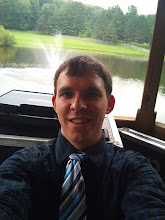 Thank you for visiting. My name is Alex Dolin. I am a Christian Life Coach, a Professor of Biblical Studies, a future professionally licensed counselor and an ordained minister.
I help people set realistically higher expectations, achieve more results and a better lifestyle. I offer many approaches to this, a few being:
1.) Professional Coaching,
2.) Pastoral Counseling,
3) Blogging,
4.) Public Speaking, and
5.) Preaching at scheduled events. Find me at AlexanderDolin.com
Thank you for visiting. My name is Alex Dolin. I am a Christian Life Coach, a Professor of Biblical Studies, a future professionally licensed counselor and an ordained minister.
I help people set realistically higher expectations, achieve more results and a better lifestyle. I offer many approaches to this, a few being:
1.) Professional Coaching,
2.) Pastoral Counseling,
3) Blogging,
4.) Public Speaking, and
5.) Preaching at scheduled events. Find me at AlexanderDolin.com
5/07/2014
Count with me pastors
Ministry for the One, Not the Masses Found on manofdepravity.com
Two Things You Must Do with Your Sermons Found on christianity.com
3 Reasons Your Staff Should Be Physically Fit Found on churchjobs.tv
4 types of friends every pastor needs Found on blog.lifeway.com
5 Ways To Be Unsatisfied With Your Church Found on shaneblackshear.com
Six Reasons Pastors Should Not Quit Their Jobs on Monday Found on thomrainer.com
Seven of the Greatest Stressors on Pastors Found on thomrainer.com
Eight Ways to Spot Emotionally Healthy Pastors and Staff Found on thomrainer.com
9 Reasons Why Church Leaders Should Read the Daily News Found on thomrainer.com
10 THINGS PASTORS HATE TO ADMIT PUBLICLY Found on pastormatt.tv
Thank you for visiting. My name is Alex Dolin. I am a Christian Life Coach, a Professor of Biblical Studies, a future professionally licensed counselor and an ordained minister.
I help people set realistically higher expectations, achieve more results and a better lifestyle. I offer many approaches to this, a few being:
1.) Professional Coaching,
2.) Pastoral Counseling,
3) Blogging,
4.) Public Speaking, and
5.) Preaching at scheduled events. Find me at AlexanderDolin.com
4/30/2014
Top 10 Top 10s
10 Ways To Make Change Less Scary and More Possible Found on dumblittleman.com
Top 10 Reasons to Exercise Regularly (Besides Losing Weight) Found on lifehacker.com
10 Remarkable Ways Meditation Helps Your Mind Found on spring.org.uk
10 wise choices to skyrocket your happiness Found on thechangeblog.com
10 Magical Effects Music Has On the Mind Found on spring.org.uk
10 tens you can do to become happier, scientifically proven Found on lifehacker.com
10 Ways to reduce stress at work Found on dumblittleman.com
10 Ways To Be Happier at Work Found on spring.org.uk
Sleep Deprivation: The 10 Most Profound Psychological Effects Found on spring.org.uk
10 one-minute time hacks that will make you more productive Found on lifehack.org
Bonus:
10 Ways Journaling Can Improve Your Life Found on lifehack.org
Top 10 Ways to Trick Your Brain Into Doing What You Want Found on lifehacker.com
10 Uncommon, Alternative Relaxation Techniques to Reduce Stress by Alex Dolin Found on noomii.com
Thank you for visiting. My name is Alex Dolin. I am a Christian Life Coach, a Professor of Biblical Studies, a future professionally licensed counselor and an ordained minister.
I help people set realistically higher expectations, achieve more results and a better lifestyle. I offer many approaches to this, a few being:
1.) Professional Coaching,
2.) Pastoral Counseling,
3) Blogging,
4.) Public Speaking, and
5.) Preaching at scheduled events. Find me at AlexanderDolin.com
4/25/2014
Speaking at Demand Success
.jpg) At Vocus Marketing #conference #Demand14 (Demand Success 2014) I will be presenting "Ten Scientifically-proven Ways to Manage Stress as a Business Owner" at the#Ignite portion of the conference.
At Vocus Marketing #conference #Demand14 (Demand Success 2014) I will be presenting "Ten Scientifically-proven Ways to Manage Stress as a Business Owner" at the#Ignite portion of the conference.The Conference is June 5th and 6th in Washington D.C. Learn more:
http://www.vocus.com/conference/whats-new/
 Thank you for visiting. My name is Alex Dolin. I am a Christian Life Coach, a Professor of Biblical Studies, a future professionally licensed counselor and an ordained minister.
I help people set realistically higher expectations, achieve more results and a better lifestyle. I offer many approaches to this, a few being:
1.) Professional Coaching,
2.) Pastoral Counseling,
3) Blogging,
4.) Public Speaking, and
5.) Preaching at scheduled events. Find me at AlexanderDolin.com
Thank you for visiting. My name is Alex Dolin. I am a Christian Life Coach, a Professor of Biblical Studies, a future professionally licensed counselor and an ordained minister.
I help people set realistically higher expectations, achieve more results and a better lifestyle. I offer many approaches to this, a few being:
1.) Professional Coaching,
2.) Pastoral Counseling,
3) Blogging,
4.) Public Speaking, and
5.) Preaching at scheduled events. Find me at AlexanderDolin.com
3/21/2014
Guided imagery
The past few weeks, I have been offering mindfulness and relaxation techniques.
Today is no different, this time, I want to offer a guided imagery. This type of activity helps us to slow down and learn to relax. This is a little more challenging to attempt online in a blog but bear with me.
Today is no different, this time, I want to offer a guided imagery. This type of activity helps us to slow down and learn to relax. This is a little more challenging to attempt online in a blog but bear with me.
As with before, begin by getting as comfortable as possible...take a few deep breathes to get relaxed. After reading each statement, close your eyes and try to picture the situation in your mind and read this script slowly, as you follow in on each statement:
Imagine yourself on a tropical island. You can return home any time you wish, but you can stay and enjoy the serenity of the island as long as you care to.
You begin your journey by walking on a beautiful stretch of white sand beach. No one else is in sight. The beach is all yours. The sun is warm on your face...notice a gentle refreshing breeze coming off the water. Listen to the waves flow rhythmically onto the sand. You hear seagulls calling over the powerful ocean. Their voices sound distant compared to the roar of the surf.
You lie in the warm sand to enjoy the peacefulness of this place. The sand is warm and soothing to your body. You close your eyes to the pleasant sun overhead and relax for a while in the comfort of this warmth...as you inhale deeply, you enjoy the fresh smell of the ocean…
Once you feel rested, you notice a grove of palm trees you have never seen before. You start walking toward them...as you get close, you can hear the large palm leaves rustling in the breeze overhead...you find a path entering the grove and follow it...it is much cooler and very refreshing to be in the shade of these trees. As you continue, your path leads you into a tall, dense thicket of tropical plants...it is impossible to see where the path is leading, but you are curious about what lies ahead and also strangely hopeful about what you will find…
After a while, you hear rushing water and see daylight up ahead. You emerge from the thicket and step into a clearing. From a cliff high above, a silver ribbon of waterfall cascades into a pool of water at your feet. The sunlight reflecting off the pool dazzles your eyes...You climb up on a rock at the edge of the pool...and look down into the clear water. The water is the color of sapphires and so deep that you cannot see the bottom.
You look up at the waterfall and notice vividly colored flowers growing out of the rocks along the cliff—blue flowers, lavender ones, red and yellow—all offset by the lush green ferns and moss-covered rocks. As you begin walking toward the waterfall, you come upon a glade of trees covered in orchids. You have never seen so many of the beautiful flowers together. They hang from the trees, forming an enclosure with soft, fragrant walls...now you see things moving among the flowers—crimson and yellow butterflies flitting busily from place to place. You sit down in a sunny spot in the middle of the orchids and butterflies, amazed at the peace and beauty that you alone have discovered…
The sun is warm on your back, and you notice that the sunlight seems to energize the iridescent butterflies as they flutter in and out of it. You, too, begin to feel a sense of renewed energy...and a renewed sense that if you look hard enough, you can find peacefulness and beauty in the world...after today's journey, you also feel a little more adventurous, more willing to take a path you have not been on before...and less afraid of what lies ahead.
It is now time to return. You can bring the experience of peacefulness and beauty of this tropical paradise with you. Any time you desire, you can close your eyes, breathe deeply, and return to this place.
How was this moment? Was it peaceful and relaxing? Is your mind at ease? There are many similar guided imageries, like this one online. But I also recommend talking to a counselor or pastor, as these professionals are often trained in more specific types of guided imageries. There are Christian based ones and others focused on healing pain/traumatic experiences. It is also helpful to meet a professional, as they have experience at reading these scripts slowly and helping you process after the script is completed.
So now, take with you the most pleasant and peaceful thoughts. For some people it will be laying on the beach and listening to the waves for others it will be sitting on the rock and looking at the wonderful waterfall. Each of us are different and enjoy different hobbies and aesthetics. So when stress or negative things happen to you this week, think upon the imagery that gives you peace. If you have some free time and want to re-read this entire script, please do so or as suggested earlier, find other imageries that are pleasant to you.
So now, take with you the most pleasant and peaceful thoughts. For some people it will be laying on the beach and listening to the waves for others it will be sitting on the rock and looking at the wonderful waterfall. Each of us are different and enjoy different hobbies and aesthetics. So when stress or negative things happen to you this week, think upon the imagery that gives you peace. If you have some free time and want to re-read this entire script, please do so or as suggested earlier, find other imageries that are pleasant to you.
Thank you for visiting. My name is Alex Dolin. I am a Christian Life Coach, a Professor of Biblical Studies, a future professionally licensed counselor and an ordained minister.
I help people set realistically higher expectations, achieve more results and a better lifestyle. I offer many approaches to this, a few being:
1.) Professional Coaching,
2.) Pastoral Counseling,
3) Blogging,
4.) Public Speaking, and
5.) Preaching at scheduled events. Find me at AlexanderDolin.com
3/19/2014
Links to Children's Health
Five year-olds who watch TV for three or more hours a day more likely to be antisocial: But the risk of this behaviour is very small by Science Daily
Frequent breaks from sedentary behavior makes kids healthier by Science Daily
Electronic media associated with poorer well-being in children by Science Daily
Thank you for visiting. My name is Alex Dolin. I am a Christian Life Coach, a Professor of Biblical Studies, a future professionally licensed counselor and an ordained minister.
I help people set realistically higher expectations, achieve more results and a better lifestyle. I offer many approaches to this, a few being:
1.) Professional Coaching,
2.) Pastoral Counseling,
3) Blogging,
4.) Public Speaking, and
5.) Preaching at scheduled events. Find me at AlexanderDolin.com
3/14/2014
Deep breathing and muscle relaxation
Last week, I offered a simple exercise to help you begin thinking about being mindful.
I challenged you to be fully present in the here-and-now both at work and at home. This exercise helps people to de-stress and be more productive and pleasant to be around bot hat work and at home.
Today I want to offer some more mindfulness exercises.
The first is called deep breathing or belly breathing.
First get comfortable. Second take a lot deep breathe in, count to 5 or 6 in your head as the oxygen fills not just your lungs but your entire chest/stomach area should stick out. Next just as with the in, the out should take at least 5 or 6 seconds and your whole belly will again move in as the oxygen is released from your body. Do this 3 to 6 times consecutively. Scientifically this is proven to lower blood pressure, get more oxygen in the brain, improve thinking and fight anxiety. Try this!
With more oxygen flowing through your body, you may begin to feel a little sleepy! That is okay, once you get moving again, you will be energized and more productive and de-stressed.
If you like that, you will also really enjoy this next technique called progressive relaxation. Several clients comment on how useful this is!
First, while continuing the mindful belly breathing, get comfortable in your chair. You can do this in your bed or on a coach as well! Close your eyes and imagine that you are on a cloud, there is nothing else to think about or any worries. Focus on your feet. Tense up your feet and hold the tension for five seconds. Count with me: "1,2,3,4,5." Now release. Your feet are heavy and tired. Relax. Now focus all your thoughts on your legs. Tense up your leg muscles 1,2,3,4,5, now release! Your legs are heavy. You are on a cloud. There are no worries. You are feeling tired. Now focus on your thighs. (Do the same thing with thighs then again with chest, arms, shoulders, neck and then head/face).
Many clients use this technique just before going to bed. This helps them to stop and relax and fall asleep instead of worrying about everything and anything else. This is mindfulness for the body.
Next week I will offer even another technique that is useful in mindfulness.
Thank you for visiting. My name is Alex Dolin. I am a Christian Life Coach, a Professor of Biblical Studies, a future professionally licensed counselor and an ordained minister.
I help people set realistically higher expectations, achieve more results and a better lifestyle. I offer many approaches to this, a few being:
1.) Professional Coaching,
2.) Pastoral Counseling,
3) Blogging,
4.) Public Speaking, and
5.) Preaching at scheduled events. Find me at AlexanderDolin.com
3/12/2014
Church Leader Articles
Why Your Church Staff Should Be It’s Own Small Group by ChurchJobs.TV
How to Deal With Frustrated Church Employees by ChurchJobs.TV
9 Reasons Why Church Leaders Should Read the Daily News by Thom Rainer
Thank you for visiting. My name is Alex Dolin. I am a Christian Life Coach, a Professor of Biblical Studies, a future professionally licensed counselor and an ordained minister.
I help people set realistically higher expectations, achieve more results and a better lifestyle. I offer many approaches to this, a few being:
1.) Professional Coaching,
2.) Pastoral Counseling,
3) Blogging,
4.) Public Speaking, and
5.) Preaching at scheduled events. Find me at AlexanderDolin.com
3/07/2014
Where you are, you are
Often times we hold images in our minds from our harshest
critic.
We can be kind to others. We are shepherds and we are caretakers to others.
Although we are awfully hard on our
own self.
In reality both sides are battling it out inside of our heads.
Imagine the old cartoons, where there is a devil (or a critic) on our left shoulder
and an angel, (the caretaker) on our right shoulder. Both are whispering in our ears, what we need
to hear. I challenge you to take five minutes to think through and write
down what each voice has been telling you. If you are being honest with yourself, you will hear your own inner-critic first and then notice your strengths, second.
It is natural for our minds to be so focused on the negative first. Although, we can learn to control our thinking. The first step is practicing being mindful. Try being here-and-now. Do not focus on what you have to get done in two hours or later tonight. Be present with yourself, right here and right now. First this starts with breathing.
Keep
your eyes open but just focus on your senses rather than your thoughts. Notice
the environment and what you are feeling, sensing, breathing, seeing around you ....
What are you seeing? Look only at one thing at a time. If you are thinking about what you are thinking and interpreting, you are no longer being mindful. Attempt to perceive without judgments, interpretations, evaluations or too much input from the brain. You should have a running commentary of what you are experiencing right now.
What are you seeing? Look only at one thing at a time. If you are thinking about what you are thinking and interpreting, you are no longer being mindful. Attempt to perceive without judgments, interpretations, evaluations or too much input from the brain. You should have a running commentary of what you are experiencing right now.
This exercise was meant to help us become more alert and
aware of our surroundings. Mindfulness is "thinking about thinking."
We do have some control over our thinking.
We call this being "mindful." Being mindful can help us
de-stress and relax. Doing this meditation will help you be more present in the
here and no, not distracted by thoughts and judgments. At work, be fully attentive and present at work. But then at home, be fully
present with your family, instead of focusing on your thoughts and worries of work.
Next week, I will offer some more techniques to help you de-stress and be even more mindful.
Thank you for visiting. My name is Alex Dolin. I am a Christian Life Coach, a Professor of Biblical Studies, a future professionally licensed counselor and an ordained minister.
I help people set realistically higher expectations, achieve more results and a better lifestyle. I offer many approaches to this, a few being:
1.) Professional Coaching,
2.) Pastoral Counseling,
3) Blogging,
4.) Public Speaking, and
5.) Preaching at scheduled events. Find me at AlexanderDolin.com
3/03/2014
Two Important reasons for rest
I have mentioned several times the importance of resting for self-care and living to our full potential. CEOs, caretakers, pastors and workaholics are dead set in their work ethic. They want to be productive and successful. It is wonderful to be living with such high goals and expectations. Although, this always-on-the-go lifestyle has it's downfalls too. We were not created to work this way. The Bible offers a lot of examples and principles for a healthy lifestyle.
The truth is that the Bible offers a picture of balance. Rest is important is a principle depicted by even God the Father, who rested on the seventh day after creating the universe. Jesus followed suit on many occasions He "went away" from everyone to be alone with God the Father to fast, rest and pray. While I could continue on in the theological evidence, I want to also mention that more and more studies are providing the same information that I am arguing from a Biblical perspective. On Wednesday, I posted my weekly links post. This theme for these links is napping. Napping helps people to be well-rested and in turn, more productive. Even Google is embracing the importance of well-rested employees, as they provide rest pods for their workers.
Through the Bible there is a theme centering around boundaries and balance. We can be the most productive and the most pleasant when we have proper boundaries in our lives. Work is definitely a high priority and an important one. At times, it can be difficult to put down the phone and spend time with kids. Important meetings and business deals need to get down, yes. But there are other priorities that need to be balanced as well. How are you doing socially? emotionally? physically? sexually? close relationships?
Your job will not satisfy all of your needs.
This why we need rest and we need balance.
I challenge you to rest this week. Even if it is only marked out for one hour every day this week or blocked out for a Friday or Saturday evening. During this time, enjoy God and enjoy other people. Do not entertain thoughts about your job. Also take care of yourself. Exercise or enjoy a hobby. Get ready for the next storm. Life does not stop, but as a human you should stop and rest.
The truth is that the Bible offers a picture of balance. Rest is important is a principle depicted by even God the Father, who rested on the seventh day after creating the universe. Jesus followed suit on many occasions He "went away" from everyone to be alone with God the Father to fast, rest and pray. While I could continue on in the theological evidence, I want to also mention that more and more studies are providing the same information that I am arguing from a Biblical perspective. On Wednesday, I posted my weekly links post. This theme for these links is napping. Napping helps people to be well-rested and in turn, more productive. Even Google is embracing the importance of well-rested employees, as they provide rest pods for their workers.
Through the Bible there is a theme centering around boundaries and balance. We can be the most productive and the most pleasant when we have proper boundaries in our lives. Work is definitely a high priority and an important one. At times, it can be difficult to put down the phone and spend time with kids. Important meetings and business deals need to get down, yes. But there are other priorities that need to be balanced as well. How are you doing socially? emotionally? physically? sexually? close relationships?
Your job will not satisfy all of your needs.
This why we need rest and we need balance.
I challenge you to rest this week. Even if it is only marked out for one hour every day this week or blocked out for a Friday or Saturday evening. During this time, enjoy God and enjoy other people. Do not entertain thoughts about your job. Also take care of yourself. Exercise or enjoy a hobby. Get ready for the next storm. Life does not stop, but as a human you should stop and rest.
Thank you for visiting. My name is Alex Dolin. I am a Christian Life Coach, a Professor of Biblical Studies, a future professionally licensed counselor and an ordained minister.
I help people set realistically higher expectations, achieve more results and a better lifestyle. I offer many approaches to this, a few being:
1.) Professional Coaching,
2.) Pastoral Counseling,
3) Blogging,
4.) Public Speaking, and
5.) Preaching at scheduled events. Find me at AlexanderDolin.com
Subscribe to:
Posts (Atom)