This week's links:
1. Five Reasons Your Pastor Should Take a Sabbatical by Thom Rainer
2. 12 Coaching Strategies to avoid Ministry Burnout by ICCA
3. 5 Ways to brings yourself back from burnout by Oprah
4. The Amazing Way This Hospital Is Fighting Physician Burnout by Huffington Post
5. 5 STRATEGIES TO HELP COPE WITH COMPASSION FATIGUE by Diversity Nursing Blog
2/05/2014
Ministry Burnout Links


 Thank you for visiting. My name is Alex Dolin. I am a Christian Life Coach, a Professor of Biblical Studies, a future professionally licensed counselor and an ordained minister.
I help people set realistically higher expectations, achieve more results and a better lifestyle. I offer many approaches to this, a few being:
1.) Professional Coaching,
2.) Pastoral Counseling,
3) Blogging,
4.) Public Speaking, and
5.) Preaching at scheduled events. Find me at AlexanderDolin.com
Thank you for visiting. My name is Alex Dolin. I am a Christian Life Coach, a Professor of Biblical Studies, a future professionally licensed counselor and an ordained minister.
I help people set realistically higher expectations, achieve more results and a better lifestyle. I offer many approaches to this, a few being:
1.) Professional Coaching,
2.) Pastoral Counseling,
3) Blogging,
4.) Public Speaking, and
5.) Preaching at scheduled events. Find me at AlexanderDolin.com
2/03/2014
Jesus, even in high demand, rested
Imagine a situation with me. If you felt called by God to walk into a cancer ward and to pray for an individual and image that God healed that person. Immediately. The newly healed person felt healed and there was absolutely no sign of the cancer in this person anymore. You and this person would be ecstatic and jumping up and down on the bed. The nurses and doctors would not know what to do. Then as you walked out of the room, you felt God call you to another room to pray for someone else. Then imagine a similar situation occurring, where God heals the person you pray for. If this continued to happen time and time again, at the very least another sick person with cancer would be calling you, more likely the doctors would want to know what you were doing and even more likely the news would be putting you on the spotlight.
This is just one fictional example of what it might be like to experience what Jesus might have experienced. Can you picture it? Jesus must have been in high demand! There must have been word out of his miraculous healings and wonders. I am sure that people were well aware of what he was doing and I imagine that people wanted his time and his healing touch.
Jesus models something else for us that we really need to take into consideration. Jesus took breaks. He rested. He went away to be alone with God, even in his busiest season. Even when people were still hurting and in need. Even when Jesus was demanded and reached a celebrity status of his time....He went away to be with God alone:
Mark 1 : 35 (NIV): Very early in the morning, while it was still dark, Jesus got up, left the house and went off to a solitary place, where he prayed.
Mark 6:46- Jesus, after a busy day of healing people, sent people away so that He could be alone in prayer. If you continue reading the chapter there are still people lined up looking for Jesus (v. 55). Again in Matt. 14: 22-23, Jesus dismissed the crowds, so He could go to the mountainside by Himself to pray. Jesus' priorities were very clear. Luke 5:16 says that Jesus often withdrew to lonely places and prayed. This was a habit for Jesus. Jesus quietly slipped away again and again, as it is mentioned in Luke 9:10 also.
This is just one fictional example of what it might be like to experience what Jesus might have experienced. Can you picture it? Jesus must have been in high demand! There must have been word out of his miraculous healings and wonders. I am sure that people were well aware of what he was doing and I imagine that people wanted his time and his healing touch.
Jesus models something else for us that we really need to take into consideration. Jesus took breaks. He rested. He went away to be alone with God, even in his busiest season. Even when people were still hurting and in need. Even when Jesus was demanded and reached a celebrity status of his time....He went away to be with God alone:
Mark 1 : 35 (NIV): Very early in the morning, while it was still dark, Jesus got up, left the house and went off to a solitary place, where he prayed.
Mark 6:46- Jesus, after a busy day of healing people, sent people away so that He could be alone in prayer. If you continue reading the chapter there are still people lined up looking for Jesus (v. 55). Again in Matt. 14: 22-23, Jesus dismissed the crowds, so He could go to the mountainside by Himself to pray. Jesus' priorities were very clear. Luke 5:16 says that Jesus often withdrew to lonely places and prayed. This was a habit for Jesus. Jesus quietly slipped away again and again, as it is mentioned in Luke 9:10 also.
Jesus rested on the Sabbath and went to the synagogue (Lk. 4:16), the equivalent of going to church on Sunday. The morning before choosing His twelve disciples, Lk. 6 reports that Jesus spent the night in prayer. Throughout His time on earth as a human, Jesus modeled the importance of taking time off to recharge. This involved a lot of prayer. His source truly was God the Father. We too can follow this example and knell before the Lord God, our Father for strength and refreshment as well.
Thank you for visiting. My name is Alex Dolin. I am a Christian Life Coach, a Professor of Biblical Studies, a future professionally licensed counselor and an ordained minister.
I help people set realistically higher expectations, achieve more results and a better lifestyle. I offer many approaches to this, a few being:
1.) Professional Coaching,
2.) Pastoral Counseling,
3) Blogging,
4.) Public Speaking, and
5.) Preaching at scheduled events. Find me at AlexanderDolin.com
1/31/2014
Check your emotional pulse and remember to take a break
Have you ever felt isolated and alone at your work or home? Are you missing a passion and zeal for your job or life that you once felt? Have become preoccupied with those you are helping that you think about them while you are away from work? Are you currently satisfied with your life's work? Have you experienced a loss of energy lately? Do you find it difficult to separate your own feelings from the problems at work? Do you feel like you do not have many friends outside your family and work?
Those are a lot of vital questions. If you answered "yes" to more than one of those questions, you may be feeling like life is an emotional roller coaster. There are highs, lows, boredom, and continual demands in life. Is it any wonder that you feel emotionally drained at the end of a week? When you engage in this (highly stressful or emotional behavior) week-after-week, it takes its' toll. Likely, the better you are at your job, the heavier the emotional burden. You are not alone. Others are struggling with this same balance. It is normal to feel this way. The question is, what are some practices that can provide you relief from emotional strain? You may need to give yourself permission to read a good book or take a walk in your break time. Sometimes knowing that you have a regularly scheduled break may get you through the day. Think about two or three things you can to do every week for their own personal downtime and emotional well-being.
Life is an unpredictable ride. A lot of emotional stress can be draining. Try a simple experiment this week. If you have either a watch or an electronic calendar on phone or computer that has an alarm built in, set it for 10:30 and 3:30 every day for a week. When the alarm goes off, take a quick Sabbatical. Even if it is only for a minute or two to take a few deep breathes of air and zone out from your work, give this strategy a try for one week.
Those are a lot of vital questions. If you answered "yes" to more than one of those questions, you may be feeling like life is an emotional roller coaster. There are highs, lows, boredom, and continual demands in life. Is it any wonder that you feel emotionally drained at the end of a week? When you engage in this (highly stressful or emotional behavior) week-after-week, it takes its' toll. Likely, the better you are at your job, the heavier the emotional burden. You are not alone. Others are struggling with this same balance. It is normal to feel this way. The question is, what are some practices that can provide you relief from emotional strain? You may need to give yourself permission to read a good book or take a walk in your break time. Sometimes knowing that you have a regularly scheduled break may get you through the day. Think about two or three things you can to do every week for their own personal downtime and emotional well-being.
Life is an unpredictable ride. A lot of emotional stress can be draining. Try a simple experiment this week. If you have either a watch or an electronic calendar on phone or computer that has an alarm built in, set it for 10:30 and 3:30 every day for a week. When the alarm goes off, take a quick Sabbatical. Even if it is only for a minute or two to take a few deep breathes of air and zone out from your work, give this strategy a try for one week.
Thank you for visiting. My name is Alex Dolin. I am a Christian Life Coach, a Professor of Biblical Studies, a future professionally licensed counselor and an ordained minister.
I help people set realistically higher expectations, achieve more results and a better lifestyle. I offer many approaches to this, a few being:
1.) Professional Coaching,
2.) Pastoral Counseling,
3) Blogging,
4.) Public Speaking, and
5.) Preaching at scheduled events. Find me at AlexanderDolin.com
1/29/2014
Self-control links
This weeks links, on self-control:
1. Electrical Brain Stimulation Can Instantly Improve Self-Control by PsyBlog
2. Self-control isn't in short supply (despite what it looks like) by Science Daily
3. Do You Really Need Self-discipline? by Dumb Little Man
4. How Stress Is Sabotaging Your Emotional Control by Huffington Post
5. How to Motivate Yourself by Pick the Brain
1. Electrical Brain Stimulation Can Instantly Improve Self-Control by PsyBlog
2. Self-control isn't in short supply (despite what it looks like) by Science Daily
3. Do You Really Need Self-discipline? by Dumb Little Man
4. How Stress Is Sabotaging Your Emotional Control by Huffington Post
5. How to Motivate Yourself by Pick the Brain
Thank you for visiting. My name is Alex Dolin. I am a Christian Life Coach, a Professor of Biblical Studies, a future professionally licensed counselor and an ordained minister.
I help people set realistically higher expectations, achieve more results and a better lifestyle. I offer many approaches to this, a few being:
1.) Professional Coaching,
2.) Pastoral Counseling,
3) Blogging,
4.) Public Speaking, and
5.) Preaching at scheduled events. Find me at AlexanderDolin.com
1/24/2014
Tips for completing your physical goals
If you work in a stressful profession, neglecting your body makes you very vulnerable to that stress. The most
obvious areas of care for one‘s body are diet and physical exercise. A first
step towards improvement is becoming conscious of your reality. Take a piece of paper and describe how you are currently
paying attention to your diet and getting your exercise. Are you pleased with
the result? Also in this journal, describe a first step in improving your
behavior for the next week. Reflect on the past, but look forward to the goal, make one simple action plan.
There is
always a temptation for small
indulgences. You may tell yourself, "I've been working hard, doing so much good" or "I deserve that candy
bar or extra order of French fries." Another may be, "I've been so busy meeting the demands of my
job that I have just been too busy or too tired to go exercise." Not
all indulgences are bad but they can easily get out of hand. Becoming conscious
of them is a first step to keeping a balance in your life. On your paper, list
a couple of small indulgences that you have given in to during the past month. I know for me, I enjoy fast food from Wendy'. This is both unhealthy and expensive. If I can cut this one bad habit out for a month, I will save money and realize that I can eat healthier.
If you do make a plan to do exercise, try to make a connection with other
people. Some people play sports together, attend exercise classes with others, find a partner to
walk with or run with, etc. When someone else expects you to
participate, this builds accountability and support for changing your habits. Also making the event social makes it more fun and offers more of a motivation than just the pure physical exercise (which you may actually be dreading).
These three simple exercises can be useful in helping you accomplish your physical goals this next year. First journal about your plan and then take one step to execute that plan. Second, consider any "indulgences" that are slowly taxing your health. Third, make the exercise (and even the diets too) social, adding a social element offer an alternative motivation to meet your goals.
Thank you for visiting. My name is Alex Dolin. I am a Christian Life Coach, a Professor of Biblical Studies, a future professionally licensed counselor and an ordained minister.
I help people set realistically higher expectations, achieve more results and a better lifestyle. I offer many approaches to this, a few being:
1.) Professional Coaching,
2.) Pastoral Counseling,
3) Blogging,
4.) Public Speaking, and
5.) Preaching at scheduled events. Find me at AlexanderDolin.com
1/22/2014
Mindfulness Links
There are a ton of resources out there regarding mindfulness, here are a few:
Mindfulness - What is it? Does it really work? - Lifehacker
Mindfulness Helps Undergraduates Stay On Track - Science Daily
Mindfulness Stops Negativity From Sticking To You Like Glue - Huffington Post
Mindfulness: 6 Steps to Better Memory, Verbal Reasoning and Improved Concentration - PsyBlog
Mindfulness:living in the moment- Visual.ly
Mindfulness-based cognitive therapy for bipolar disorder: a feasibility trial - PsyDir
Mindfulness - What is it? Does it really work? - Lifehacker
Mindfulness Helps Undergraduates Stay On Track - Science Daily
Mindfulness Stops Negativity From Sticking To You Like Glue - Huffington Post
Mindfulness: 6 Steps to Better Memory, Verbal Reasoning and Improved Concentration - PsyBlog
Mindfulness:living in the moment- Visual.ly
Mindfulness-based cognitive therapy for bipolar disorder: a feasibility trial - PsyDir
Thank you for visiting. My name is Alex Dolin. I am a Christian Life Coach, a Professor of Biblical Studies, a future professionally licensed counselor and an ordained minister.
I help people set realistically higher expectations, achieve more results and a better lifestyle. I offer many approaches to this, a few being:
1.) Professional Coaching,
2.) Pastoral Counseling,
3) Blogging,
4.) Public Speaking, and
5.) Preaching at scheduled events. Find me at AlexanderDolin.com
1/17/2014
Letting go of what you can't control
Last week, I looked at the Serenity prayer and focused with an example on some things we can control when stressors come. Today, I want to help by giving tips for the flipside, what about the things we cannot control?
Serenity Prayer:
In this prayer, there is an element of faith, of a God . There is an element of change and an element of acceptance. Some things we cannot change, while other things we can. So regarding the things that we cannot change, what are we left to do?
Being able to accept things that we cannot change does involve faith. In faith circles, the term is to "let go" of things, of stress and worry for example. But this idea of "letting go" is a difficult thing to define. Especially for people who do not believe in God, letting go is still not an easy task. The definition means to "giving permission or opportunity." In the sense of how it is used to "let go" of worry, is really like "letting go" if a girlfriend after a break-up. It is giving permission to be free. So when we talk about accepting things that we cannot change, we are able to let them go from our worrying minds. Our minds can be free of these worries!
One last thing that is really helpful when those fleeting thoughts do come back to us is the use of relaxation techniques. Many of my clients find this simple muscle relaxation technique to be
extremely effective, especially before going to bed:
Begin by finding a comfortable position sitting, standing, or lying down. First focus on breathing. Breathe in forcefully and deeply, and hold this breath. You should be able to count to 5 or even 6 (in your head) as the oxygen enters and and then again as it exits. Let all the air go out slowly, with
it release all the tension. You should see your chest expand and feel it collapse. After about five deep, long breathes we focus on each individual muscle groups but we want to continue this breathing pattern through-out the exercise.
Start with the muscles on your two feet. Tighten all the muscles of your feet. Count to five while holding this tension. Do a final squeeze! Then relax. Let all the tension go. Feel the muscles in your feet go limp, loose, and relaxed. Your feet are not heavy. Notice how relaxed the muscles feel now. Feel the difference between tension and relaxation. Enjoy the pleasant feeling of relaxation in your feet.
I have my clients do their feet first then move up the body, all the way to their head/face. We follow the same basic instructions just instead of "feet," I say "legs" or "arms." Throughout the exercise, I stop and remind the client to continue to focus again on their breathing. They need to have slow, even, regular breaths.
This is a simple trick but it really does work and focusing on breathing is scientifically proven to lower heart-rate. sometimes I add things to this technique if the client or I am feeling tired of this same technique. A simple addition is to add another relaxed meditation to it. I like to tell the
clients that they are on a cloud and explain how everything is soft, peaceful, solace and comfortable. There are many similar setting and scenarios that can enable relaxation.
Serenity Prayer:
God, grant me the serenity to accept the things I cannot change,
The courage to change the things I can,
And wisdom to know the difference.
In this prayer, there is an element of faith, of a God . There is an element of change and an element of acceptance. Some things we cannot change, while other things we can. So regarding the things that we cannot change, what are we left to do?
Being able to accept things that we cannot change does involve faith. In faith circles, the term is to "let go" of things, of stress and worry for example. But this idea of "letting go" is a difficult thing to define. Especially for people who do not believe in God, letting go is still not an easy task. The definition means to "giving permission or opportunity." In the sense of how it is used to "let go" of worry, is really like "letting go" if a girlfriend after a break-up. It is giving permission to be free. So when we talk about accepting things that we cannot change, we are able to let them go from our worrying minds. Our minds can be free of these worries!
One last thing that is really helpful when those fleeting thoughts do come back to us is the use of relaxation techniques. Many of my clients find this simple muscle relaxation technique to be
extremely effective, especially before going to bed:
Begin by finding a comfortable position sitting, standing, or lying down. First focus on breathing. Breathe in forcefully and deeply, and hold this breath. You should be able to count to 5 or even 6 (in your head) as the oxygen enters and and then again as it exits. Let all the air go out slowly, with
it release all the tension. You should see your chest expand and feel it collapse. After about five deep, long breathes we focus on each individual muscle groups but we want to continue this breathing pattern through-out the exercise.
Start with the muscles on your two feet. Tighten all the muscles of your feet. Count to five while holding this tension. Do a final squeeze! Then relax. Let all the tension go. Feel the muscles in your feet go limp, loose, and relaxed. Your feet are not heavy. Notice how relaxed the muscles feel now. Feel the difference between tension and relaxation. Enjoy the pleasant feeling of relaxation in your feet.
I have my clients do their feet first then move up the body, all the way to their head/face. We follow the same basic instructions just instead of "feet," I say "legs" or "arms." Throughout the exercise, I stop and remind the client to continue to focus again on their breathing. They need to have slow, even, regular breaths.
This is a simple trick but it really does work and focusing on breathing is scientifically proven to lower heart-rate. sometimes I add things to this technique if the client or I am feeling tired of this same technique. A simple addition is to add another relaxed meditation to it. I like to tell the
clients that they are on a cloud and explain how everything is soft, peaceful, solace and comfortable. There are many similar setting and scenarios that can enable relaxation.
Thank you for visiting. My name is Alex Dolin. I am a Christian Life Coach, a Professor of Biblical Studies, a future professionally licensed counselor and an ordained minister.
I help people set realistically higher expectations, achieve more results and a better lifestyle. I offer many approaches to this, a few being:
1.) Professional Coaching,
2.) Pastoral Counseling,
3) Blogging,
4.) Public Speaking, and
5.) Preaching at scheduled events. Find me at AlexanderDolin.com
1/10/2014
One simple way to dramatically improve your life
It does seem so simple. From a distance it does not seem like it is even worthy of a drum-roll. Although, it is worth it and so much more. This simple adjustment in your life can reduce your stress level, lift your mood and help you focus on what is important. This key behavior is an attitude modification. Let me explain:
Instead of reacting to stress or crisis, learn to respond.
Instead of letting circumstances determine our mindset, master the skill of adjusting your attitude despite the circumstances.
Instead of letting the present here-and-now trouble control our emotions and thinking, contemplate hope, realize the trouble is temporary and maintain a positive outlook.
The simple serenity prayer is a great reminder. I say this everyday:
 *[Serenity = peace of mind.]
How-to:
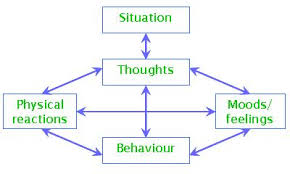
Let me offer some example. Imagine that there is a last minute office meeting in the board room, completely unplanned. You are put on the spot by your boss (the managing director of the building) to present to his boss (the CEO of the company). You are stressing out! The situation is stressful! Your first initial thoughts are not pleasant ("What am I doing?" "What am I suppose to say?" " I want to hurt my boss, he should have given me a heads up!" "I am not going to look good." "I hate this" - you get the idea). That initial thought is followed with emotions (nervous, stress, anxious, scared, embarrassed, unprepared, unworthy) and physical sensation (heart racing, mind cluttered, sweating, nerve pain, shallow quick breathing, blushing, chest tightness, tense muscles, light-headed, feeling out of control and fatigue). All three of these (initial cognitive thoughts, body's reaction and emotional toll) of these naturally lead to a natural behavior (running to the bathroom, being tense and clamming up in the board room, raging anger towards boss in spite or sarcasm or worse a meltdown).
All of these behaviors are common natural reactions. Although, instead of behaving naturally, it is better to stop at each step and learn how to respond instead of merely react. The concept is simple in theory but in implementation it takes some practice. So first when we have those initial cognitive mental thoughts regarding a stressor, realize these are natural reactions. Everyone has these fleeting thoughts. The first thing we can do is instead of agree and listen to these thoughts, we can ignore them, or better, we can dispute them by thinking about the situation more rationally.
The second step is in the emotions and physical sensations, again these are natural feelings. At first it is very difficult to ignore these emotions. We shouldn't. It is good to acknowledge these emotional feelings and research where they are coming from and why. Bottling up emotions is negative. Somethings just talking to someone is the biggest help.
Finally, our behavior. After having a bad day emotionally and cognitively, it is easy to just react with negative behavior. Although, even after dealing with emotions and thinking, we may still desire to do something negative emotionally. We still have to think about it. We still have a choice to make. We can, with some practice, choice to behave in a positive manner, even after a long negative day full of stressors.
Going back to the example, instead of embarrassing yourself and making the CEO and your boss like fools, you told yourself quietly that "I can do this!" and "I am awesome." Positive self-talk disputes the negative thinking. Second you feel the anxiety but instead of letting it eat away at you, you choose to strike a confident posture and breathe deeply through-out the entire meeting. When the meeting is over you talk to your boss privately about how you were actually feeling. Also when you get home, you deal with more of your negative with your supportive spouse (ideally). Finally the behavior in the board room is driven my the positive reaction you are maintaining. Instead of despising your boss and acting immature, you are flexible and professional. You do your best honest work given the circumstances.
Instead of reacting to stress or crisis, learn to respond.
Instead of letting circumstances determine our mindset, master the skill of adjusting your attitude despite the circumstances.
Instead of letting the present here-and-now trouble control our emotions and thinking, contemplate hope, realize the trouble is temporary and maintain a positive outlook.
The simple serenity prayer is a great reminder. I say this everyday:
God, grant me the serenity to accept the things I cannot change,
The courage to change the things I can,
And wisdom to know the difference.How-to:
Let me offer some example. Imagine that there is a last minute office meeting in the board room, completely unplanned. You are put on the spot by your boss (the managing director of the building) to present to his boss (the CEO of the company). You are stressing out! The situation is stressful! Your first initial thoughts are not pleasant ("What am I doing?" "What am I suppose to say?" " I want to hurt my boss, he should have given me a heads up!" "I am not going to look good." "I hate this" - you get the idea). That initial thought is followed with emotions (nervous, stress, anxious, scared, embarrassed, unprepared, unworthy) and physical sensation (heart racing, mind cluttered, sweating, nerve pain, shallow quick breathing, blushing, chest tightness, tense muscles, light-headed, feeling out of control and fatigue). All three of these (initial cognitive thoughts, body's reaction and emotional toll) of these naturally lead to a natural behavior (running to the bathroom, being tense and clamming up in the board room, raging anger towards boss in spite or sarcasm or worse a meltdown).
All of these behaviors are common natural reactions. Although, instead of behaving naturally, it is better to stop at each step and learn how to respond instead of merely react. The concept is simple in theory but in implementation it takes some practice. So first when we have those initial cognitive mental thoughts regarding a stressor, realize these are natural reactions. Everyone has these fleeting thoughts. The first thing we can do is instead of agree and listen to these thoughts, we can ignore them, or better, we can dispute them by thinking about the situation more rationally.
The second step is in the emotions and physical sensations, again these are natural feelings. At first it is very difficult to ignore these emotions. We shouldn't. It is good to acknowledge these emotional feelings and research where they are coming from and why. Bottling up emotions is negative. Somethings just talking to someone is the biggest help.
Finally, our behavior. After having a bad day emotionally and cognitively, it is easy to just react with negative behavior. Although, even after dealing with emotions and thinking, we may still desire to do something negative emotionally. We still have to think about it. We still have a choice to make. We can, with some practice, choice to behave in a positive manner, even after a long negative day full of stressors.
Going back to the example, instead of embarrassing yourself and making the CEO and your boss like fools, you told yourself quietly that "I can do this!" and "I am awesome." Positive self-talk disputes the negative thinking. Second you feel the anxiety but instead of letting it eat away at you, you choose to strike a confident posture and breathe deeply through-out the entire meeting. When the meeting is over you talk to your boss privately about how you were actually feeling. Also when you get home, you deal with more of your negative with your supportive spouse (ideally). Finally the behavior in the board room is driven my the positive reaction you are maintaining. Instead of despising your boss and acting immature, you are flexible and professional. You do your best honest work given the circumstances.
Thank you for visiting. My name is Alex Dolin. I am a Christian Life Coach, a Professor of Biblical Studies, a future professionally licensed counselor and an ordained minister.
I help people set realistically higher expectations, achieve more results and a better lifestyle. I offer many approaches to this, a few being:
1.) Professional Coaching,
2.) Pastoral Counseling,
3) Blogging,
4.) Public Speaking, and
5.) Preaching at scheduled events. Find me at AlexanderDolin.com
12/20/2013
Coaching Through Scriptures Part Two
Paul often using sports analogies in Scriptures. In this video, we look at a few of these sports analogies and how these Scriptures can give us an amazing perspective on life.Watch this short clip:
Thank you for visiting. My name is Alex Dolin. I am a Christian Life Coach, a Professor of Biblical Studies, a future professionally licensed counselor and an ordained minister.
I help people set realistically higher expectations, achieve more results and a better lifestyle. I offer many approaches to this, a few being:
1.) Professional Coaching,
2.) Pastoral Counseling,
3) Blogging,
4.) Public Speaking, and
5.) Preaching at scheduled events. Find me at AlexanderDolin.com
12/13/2013
Are you in touch with your emotions?
Did you know that just maintaining a sad face drags you down? Your mind and body both are negatively by the a frown. The idea of "fake it until you make it" is more than cliche. Science backs it.
First, let's examine the benefits of smiling. Did you know that smiling lowers your heart rate? Also
Neurotransmitters called endorphins are released when you smile. These make us feel happy.
 It’s not easy to keep smiling in stressful situations, but studies report that doing exactly that has health benefits. When recovering from a stressful situation, study participants who were smiling had lower heart rates than those with a neutral facial expression.
A smile also makes one more attractive, easy going, and empathetic. In fact, a study in the European Journal of Social Psychology found that smiling actually makes you more attractive to those you smile at. A study found that smiling can make you more comfortable in situations you would otherwise feel awkward in.
 Here is another interesting point. When you are stressed do you clench your right hand or left hand? Assuming you are right handed, you probably clench your right hand. This is normal, new there is stress, the body gets more tense. A long clench on the right hand or many through-out the day, though could suggest too much stress.If you notice that you do this. Try something else: Try your left hand when you are stressed out. Some athletes may improve their performance under pressure simply by squeezing a ball or clenching their left hand before competition to activate certain parts of the brain, according to new research published by the American Psychological Association. Dogs do this too with their tails. When dogs are anxious they wag their tag from right to left, but when they are happy they wag their tail from left to right!


First, let's examine the benefits of smiling. Did you know that smiling lowers your heart rate? Also
Neurotransmitters called endorphins are released when you smile. These make us feel happy.
It’s not easy to keep smiling in stressful situations, but studies report that doing exactly that has health benefits. When recovering from a stressful situation, study participants who were smiling had lower heart rates than those with a neutral facial expression.
Smiling even makes your immune system stronger by making your body produce white blood cells to help fight illnesses. One study found that hospitalized children who were visited by story-tellers and puppeteers who made them smile and laugh had higher white blood cell counts than those children who weren't visited.
Studies have found that people are more willing to engage socially with others who are smiling. A smile and all the positive emotions associated with it are contagious. University of Pittsburgh study concluded that people who smiled were considered "more trustworthy" than people with non-smiling facial expressions.
 Laughing too has a ton of scientific benefits. Levels of stress hormones like cortisol and epinephrine tend to decrease during bouts of laughter. Laughter is used to reduce stress, relieve pain and boost immunological responses by doctors and therapists. Laughter has been shown to lower or balance blood pressure and increase vascular blood flow. Laughing 100 times is equivalent to 10 minutes on a rowing machine or 15 minutes on the stationary bicycle. Similar to smiling, laughing also increases endrophines in the body and also makes a person more pleasant to be around.
Studies have found that people are more willing to engage socially with others who are smiling. A smile and all the positive emotions associated with it are contagious. University of Pittsburgh study concluded that people who smiled were considered "more trustworthy" than people with non-smiling facial expressions.
Laughing too has a ton of scientific benefits. Levels of stress hormones like cortisol and epinephrine tend to decrease during bouts of laughter. Laughter is used to reduce stress, relieve pain and boost immunological responses by doctors and therapists. Laughter has been shown to lower or balance blood pressure and increase vascular blood flow. Laughing 100 times is equivalent to 10 minutes on a rowing machine or 15 minutes on the stationary bicycle. Similar to smiling, laughing also increases endrophines in the body and also makes a person more pleasant to be around.
Laughter is relaxing to our bodies and muscles. In one study, students who watched a funny video in their classroom responded with lower levels of aggression in tense situations.
Negative emotions are bad for body. Science is beginning to confirm what certain wise men have said at different points in history. King David said, "A merry heart doeth good like a medicine: but a broken spirit drieth the bones." Prov. 17:22. Your mind and mental state can have a profound affect on your physical body, your spiritual experience, and your over-all quality of life. The mind, the body, and the spirit are all inextricably interconnected. When one is affected, the other two suffer.
Here is another interesting point. When you are stressed do you clench your right hand or left hand? Assuming you are right handed, you probably clench your right hand. This is normal, new there is stress, the body gets more tense. A long clench on the right hand or many through-out the day, though could suggest too much stress.If you notice that you do this. Try something else: Try your left hand when you are stressed out. Some athletes may improve their performance under pressure simply by squeezing a ball or clenching their left hand before competition to activate certain parts of the brain, according to new research published by the American Psychological Association. Dogs do this too with their tails. When dogs are anxious they wag their tag from right to left, but when they are happy they wag their tail from left to right!
I leave you with one activity for you. Try this experiment, place a weight on a string and then hold your hand steady while holding the string and letting the weight drop. See how long you can hold it still and steady. Next, think about moving the string clockwise but do not do it, only think about it. Slowly the weight will move clockwise. Now, think about it moving in a counter-clockwise direction but do not actually initiate your muscles...slowly the weight will change directions!
This is an amazing proof that our mind and emotions do really strongly effect the rest of our body, if the science was not enough for you!
Thank you for visiting. My name is Alex Dolin. I am a Christian Life Coach, a Professor of Biblical Studies, a future professionally licensed counselor and an ordained minister.
I help people set realistically higher expectations, achieve more results and a better lifestyle. I offer many approaches to this, a few being:
1.) Professional Coaching,
2.) Pastoral Counseling,
3) Blogging,
4.) Public Speaking, and
5.) Preaching at scheduled events. Find me at AlexanderDolin.com
Subscribe to:
Posts (Atom)